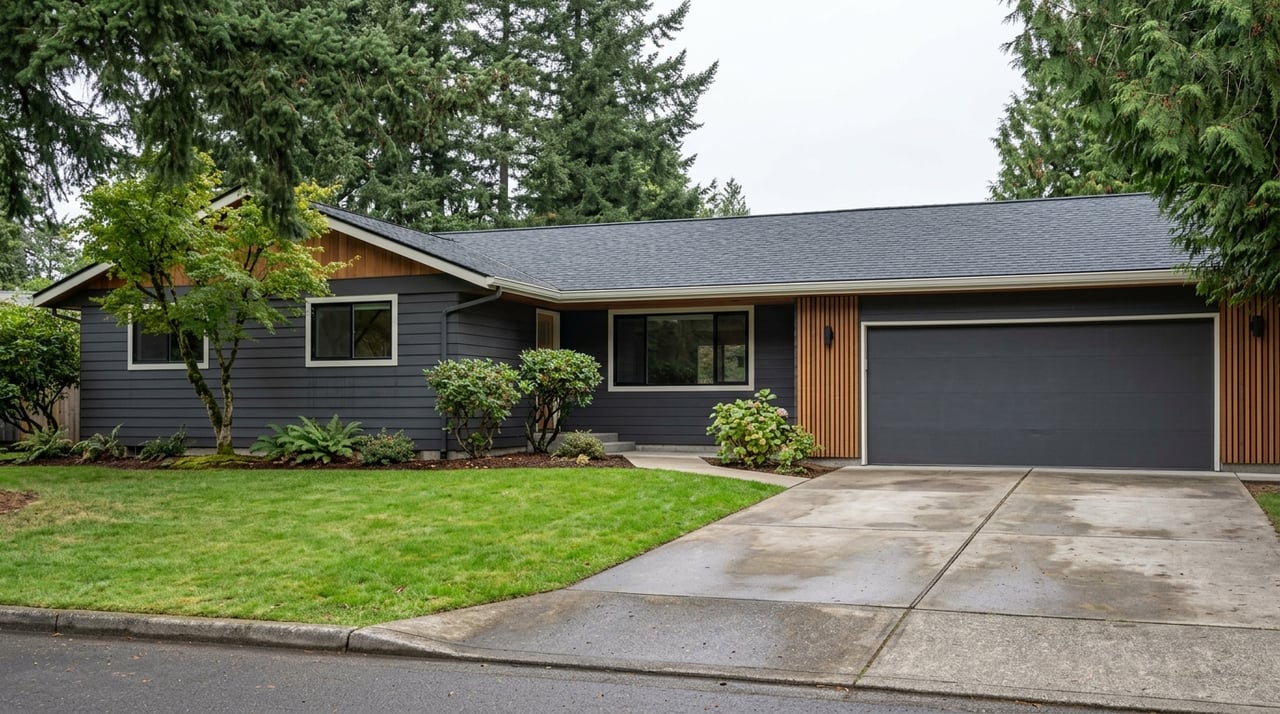
Your Moving to Woodinville Guide for Daily Life
April 16, 2026
April 16, 2026
If you are thinking about moving to Woodinville, you are probably trying to answer a few big questions at once: What does daily life actually feel like there, how do schools work, and what kind of housing can you realistically find? Woodinville stands out because it blends a wine-country identity with commuter convenience, outdoor access, and a range of home styles that appeal to different stages of life. This guide will help you understand what to expect so you can decide whether Woodinville fits your goals. Let’s dive in.
Woodinville has a distinct identity within the Eastside. According to the City of Woodinville, the city is home to nearly half of all wineries northeast of Seattle and to more than 100 wineries, cideries, and distilleries. That gives the area a lifestyle feel that is very different from a typical suburb.
At the same time, Woodinville is not just a weekend destination. The city’s Comprehensive Plan emphasizes preserving its Northwest woodland character while creating a more pedestrian-friendly downtown. In practical terms, that means you will find a place that can feel more rural and relaxed than some nearby Eastside communities, while still seeing ongoing growth near the city core.
If the wine scene is part of what draws you in, it helps to know that Woodinville Wine Country is organized into four districts: Hollywood, Warehouse, West Valley, and Downtown. Each area offers a different mix of tasting rooms, production spaces, dining, and retail.
For many buyers, this matters because the wineries are woven into everyday life rather than set apart from it. You can spend time in the better-known Hollywood District, explore the more production-focused Warehouse District, enjoy the slower pace of West Valley, or check out newer food and drink options in Downtown. The result is a lifestyle that can feel polished but still grounded in the Pacific Northwest.
Outdoor access adds another layer to the appeal. The city highlights Wilmot Gateway Park, the Sammamish River Trail, and the planned Eastrail connection as key community assets. If you value walkability, trails, and green space, those features help balance Woodinville’s growth with a strong connection to the outdoors.
For many households, school information is a major part of the relocation process. Woodinville is primarily served by the Northshore School District, which says it has 34 schools and serves about 22,000 students. The district also notes that school assignment is based on home address and that it offers choice schools and programs.
Woodinville-address schools currently include Woodin Elementary, Wellington Elementary, East Ridge Elementary, Leota Middle School, Timbercrest Middle School, and Woodinville High School. Woodinville High School also highlights AP coursework on its current site, which can be one factor buyers consider as they compare areas within the city.
The biggest practical point is this: school assignment should always be verified by exact property address. Northshore directs families to its boundary maps and address tool, and the district notes that final placement is determined by the district. If schools are important in your home search, this is one of the details you will want to confirm before writing an offer.
Woodinville can work well for many commuters, but it helps to go in with realistic expectations. The city covers just 5.65 square miles, yet thousands of residents commute out of the city for work. That tells you Woodinville functions as both a residential community and a commuter base.
Transit is available, but it is more corridor-based than rail-based. Sound Transit Route 522 runs between Woodinville Park & Ride and Roosevelt Station, and Metro also serves the SR 522 corridor, with peak-only Route 256 connecting Woodinville to South Lake Union and downtown Seattle.
For buyers, the main takeaway is simple. Woodinville can be a solid fit if you drive or if you are comfortable using transit with connections. If you are expecting direct rail access to Bellevue or downtown Seattle, Woodinville may feel less convenient than other Eastside locations.
It is also worth remembering that regional road work can affect drive times. The research report notes active work in parts of the I-405/SR 522 interchange area, so commute reliability can vary, especially during peak hours.
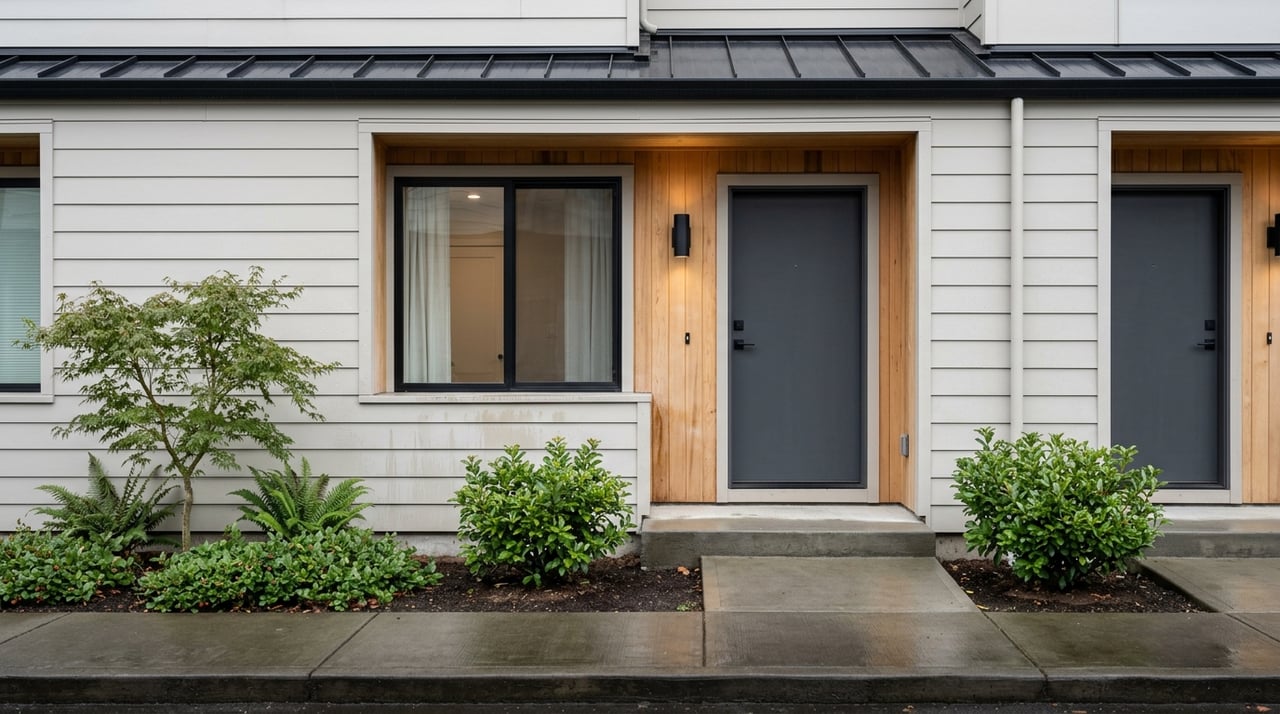
One of the most useful things to know before moving to Woodinville is that the housing stock is more varied than many people expect. The city’s Housing Action Plan describes a market that has added more multifamily housing in recent years, while single-family homes have also become larger on average.
That means your options may include:
City development pages show this variety clearly. Eastrail Flats includes 207 apartments and 63 townhomes, while other projects such as Harvest and Woodin Creek Village add more townhome, multifamily, and mixed-use inventory. For buyers, that creates more than one path into the market.
Woodinville is not a one-style market. Some buyers are drawn to the privacy, scale, and Northwest setting of detached homes, while others want a lower-maintenance home near downtown amenities, trails, and wine-country destinations.
That distinction matters because you are often choosing between different versions of the Woodinville lifestyle, not between lifestyle and convenience. A home closer to downtown may offer easier access to dining, shops, and future trail connections. A home in a more established residential pocket may offer a quieter setting, more yard space, and a more tucked-away feel.
When you are relocating, it helps to narrow your search around how you want to live day to day. In Woodinville, these questions can make your decision clearer:
If regular access to tasting rooms, restaurants, and downtown amenities matters, focus on locations near the Hollywood or Downtown areas. These areas often appeal to buyers who want a more connected, experience-driven lifestyle.
If your priority is a larger lot, a bigger home, or a more residential setting, established single-family areas may be a better match. Woodinville’s planning documents suggest this remains an important part of the local housing mix.
Because Woodinville’s commute patterns are route-dependent, your best location may depend on where you work and how often you travel. Access to SR 522, local park-and-ride options, and your tolerance for transfers can shape which part of the city feels most practical.
If school assignment is part of your home search, verify the specific address with the district before moving forward. In Woodinville, that step is essential because boundaries and final assignments are not something you should assume.
Woodinville tends to appeal to buyers who want more than a standard suburban checklist. You may like it if you want a community with a strong local identity, a meaningful outdoor component, and a housing mix that includes both larger homes and more compact options near the core.
It can be especially compelling if you are looking for Eastside access without giving up a sense of place. The wineries, trails, and woodland character all contribute to that. So does the city’s ongoing effort to create a more walkable downtown while preserving what makes Woodinville feel distinct.
If you are weighing Woodinville against other Eastside options, the real question is often not whether it is better or worse. It is whether its blend of wine-country lifestyle, commuter practicality, and housing variety matches the way you want to live. If you want help comparing neighborhoods, evaluating commute tradeoffs, or finding the right home style in Woodinville, Foundation First Group can help you build a smart relocation strategy.
Stay up to date on the latest real estate trends.

Foundation First Group's expertise includes assisting buyers and sellers of all property types, including single-family homes, condominiums, vacant land, and investment properties.