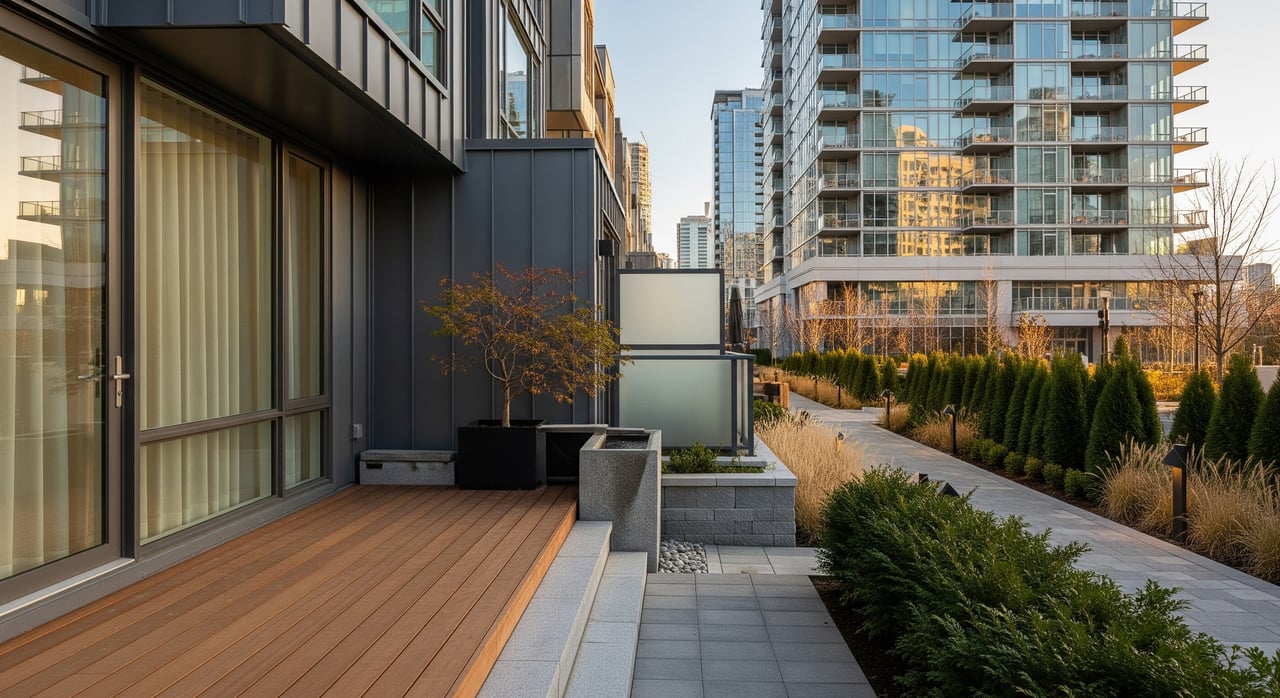
Downtown Seattle Condo vs Townhome & Bellevue Insights
January 15, 2026
January 15, 2026
Staring at a glossy tower and a sleek rowhome and wondering which one really fits your downtown life? You are not alone. Condos and townhomes can look similar, but the way they are owned, maintained, and financed can be very different. In this guide, you will learn how ownership, HOAs, reserves, parking, and lifestyle compare in downtown Seattle and Bellevue so you can choose with confidence. Let’s dive in.
The biggest difference lives in the paperwork, not the floorplan. A condominium means you own the interior of your unit plus a shared interest in the building’s common elements. Condos in Washington are governed by the Washington Condominium Act and an HOA with a declaration, bylaws, and rules. In most high-rise downtown buildings, this is the standard structure.
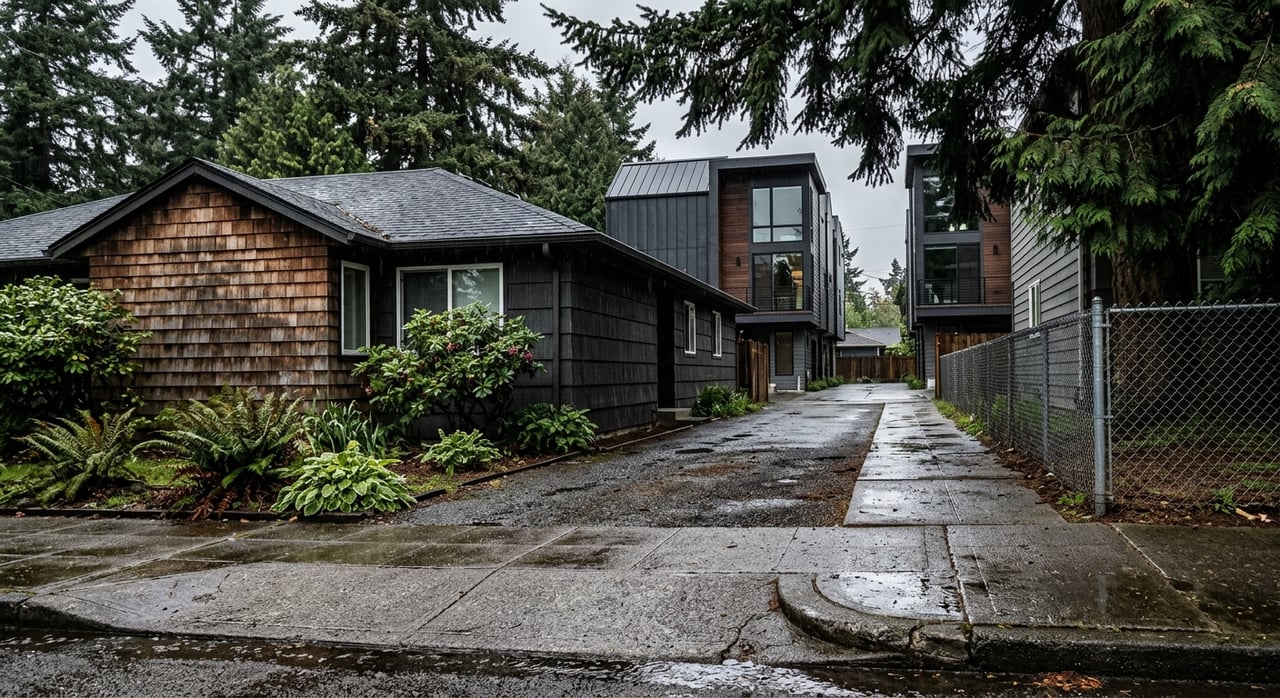
A townhome can take several legal forms. A fee-simple townhome gives you title to the home and the land under it, with you responsible for the exterior and yard unless an HOA says otherwise. Some townhomes are actually condominiums in legal form, even if they look like rowhouses, so they follow condo rules for maintenance and insurance. Planned communities also exist, where CC&Rs set shared obligations.
In downtown Seattle and Bellevue, taller residential product is typically condo-form because of vertical ownership. Lower-rise attached homes nearby may be fee-simple or condo townhomes. Always verify the legal form in title and HOA documents. The practical question to answer first is “Who fixes what?”
Condo HOA dues usually cover common area maintenance, building insurance for common elements and the exterior shell, elevators and security, shared utilities, amenities like a gym or concierge, trash, professional management, and reserves. Townhome HOAs, when present, often have smaller dues that cover shared items such as private roads or landscaping, not your individual exterior repairs. Scope varies widely, so read the budget.
HOA reserve funds are the savings account for predictable big-ticket items like roofs, facades, elevators, and mechanical systems. Best practice is a current reserve study, steady contributions, and a written funding plan to reduce the need for special assessments. Ask for the latest reserve study, reserve balance, and history of transfers into reserves.
Special assessments happen when reserves cannot cover major work or when unexpected needs arise. In the Seattle area, common drivers include envelope repairs from water intrusion, elevator modernization, system replacements, seismic upgrades, and litigation costs. Frequency and size are the key buyer risk, so look for assessment history in recent years and any pending projects in meeting minutes.
Healthy-HOA indicators include a balanced operating budget, reserves aligned with the reserve study, low delinquency on dues, and clear disclosure of any litigation and funding plans. Professional management often means more formal budgeting and reporting, though it adds cost.
Financing can be affected by project eligibility rules for condos. Many lenders and loan programs require certain owner-occupancy levels, reserve strength, and limits on litigation and single-entity ownership. A project that does not meet criteria may limit loan options or raise rates. Fee-simple townhomes are typically underwritten more like single-family homes and are less reliant on project approvals.
Downtown Seattle and Bellevue have trended toward lower parking ratios in newer buildings due to transit access and land costs. Parking is valuable and, in many towers, can be deeded or rented separately. Bellevue historically delivers more parking, but new projects still balance supply with urban mobility.
High-rise condos often use shared structured or underground parking with deeded or assigned stalls, bicycle rooms, and small storage lockers. Some buildings include EV wiring or stations. Fee-simple townhomes commonly offer a private garage and driveway, which means secure parking and more storage space.
When you evaluate options, verify whether parking and storage are deeded or assigned and how transfers work. Review building rules for guest parking, EV charging, and any fees. If you plan to bike-commute, check the quality and security of bicycle storage. If you need extra space, ask about availability and size of additional lockers or stalls.
If you want low-maintenance, lock-and-leave living, a condo can be a great fit. The HOA handles exteriors, roofs, common systems, and landscaping, and you pay for that convenience in dues. If you prefer control over your exterior, want a private garage, or value outdoor space, a fee-simple townhome may be better.
Condos often deliver amenities like a concierge, fitness center, package room, lounges, rooftop decks, and guest suites. These create convenience and community but add to monthly costs. Townhomes typically offer fewer shared amenities but more private space for the same footprint.
Noise and privacy vary by building and construction quality. High-rises come with more vertical neighbors; townhomes reduce vertical neighbor noise but still share walls. Pet and rental rules also differ. Condo HOAs commonly limit rentals or short-term rentals and may have pet rules. Townhomes can be more flexible, subject to HOA documents and local regulations.
For resale, buyers tend to value proximity to jobs and transit, a strong building reputation, solid maintenance history, useful amenities, and reliable parking. Deeded parking and private garages help. So does an HOA with sound reserves and transparent governance.
Use this list during your offer and contingency period to reduce surprises.
Choosing between a condo and a townhome in downtown Seattle or Bellevue comes down to how you want to live, what you want to maintain, and how you want to manage risk. If you keep the focus on ownership structure, HOA financial health, and parking, you will make a choice that fits your time and budget. When documents get complex or litigation appears, consider consulting a real estate attorney and lean on an experienced, condo-savvy agent.
Ready to compare real options and review HOA documents with a strategic eye? Connect with the named principals at Foundation First Group to map your path, align financing, and secure the right home for your downtown lifestyle.
Stay up to date on the latest real estate trends.
Foundation First Group's expertise includes assisting buyers and sellers of all property types, including single-family homes, condominiums, vacant land, and investment properties.