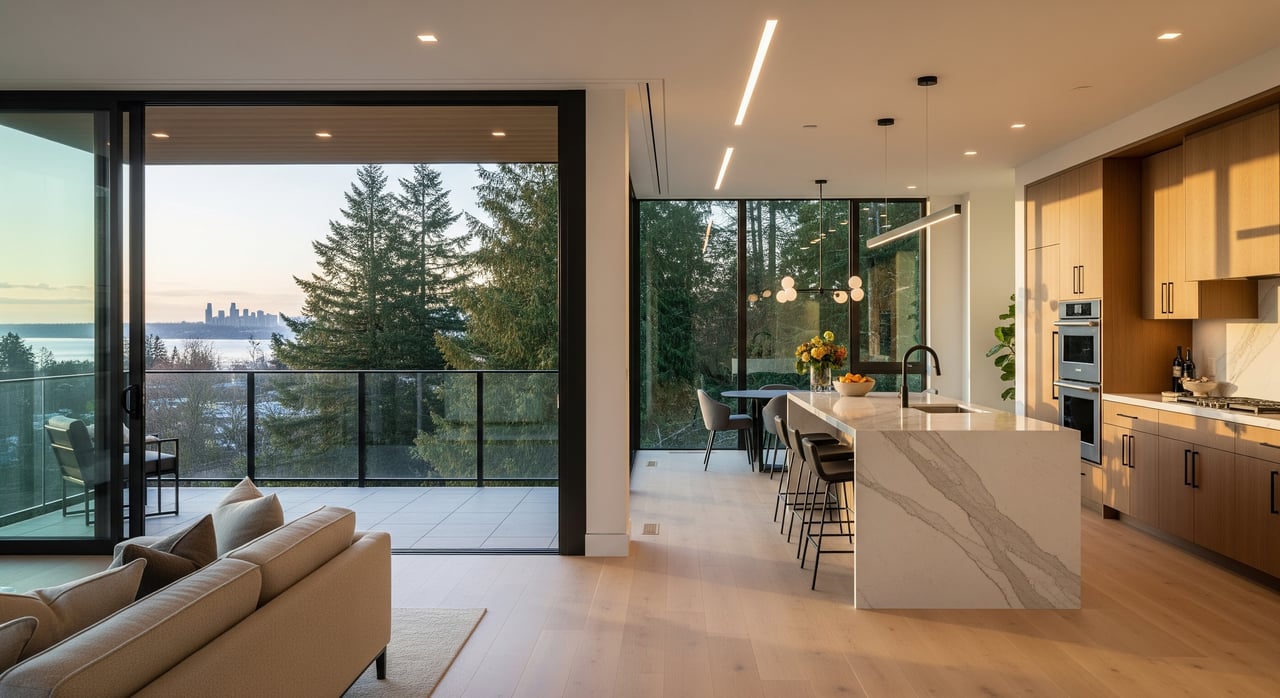
Redmond New Construction Presales: A Clear Buyer Guide
December 18, 2025
December 18, 2025
Buying a new home off-plan can feel exciting and a little opaque. If you are eyeing Redmond’s Marymoor Village or Overlake projects, you are seeing a lot of buzz and many moving parts. You want clarity on timelines, deposits, selections, and how a presale compares to a quick-move-in home. This guide breaks it all down so you can move forward with confidence. Let’s dive in.
Redmond sits in a high-demand corridor shaped by major employers and transit access. New townhomes, condos, and mixed-use phases concentrate around Overlake and the Marymoor area, where station-area planning and infrastructure improvements guide where and when builders bring units to market. Many communities release in phases over several years, which creates a steady flow of early presale opportunities followed by quick-move-in inventory later.
City approvals, environmental review, and site and utility work can add months before vertical construction starts. Builders often communicate conservative dates and reserve the right to adjust schedules. That is normal for large, phased developments.
Projects typically open with marketing, model tours, and a price list. You can reserve a specific home or lot with a small reservation deposit and a short hold window while you review documents. Some reservations are refundable in limited circumstances, but terms vary by project.
Your commitment happens when you sign the Purchase and Sale agreement. New-construction contracts are builder-issued and more developer-friendly than standard resale forms. Expect firm deadlines for selections, change orders, and any contingency removals.
Once you sign, you will submit earnest money held by the title or escrow company per Washington practice. Amounts vary by builder and product and can range from the low thousands up to 5–10 percent.
After contract, you enter a design window to choose finish packages and options. Selection periods are typically 30–90 days to keep orders on schedule. Base allowances cover standard finishes; upgrades add cost. After deadlines, change orders are limited, more expensive, and can delay completion.
Timing depends on product type and phase timing within the community:
For many Redmond presales, a 12–24 month horizon is common for townhome and condo phases.
Schedules can shift due to permit reviews, grading and utility coordination, labor or material shortages, supply chain issues, weather, and market-driven phasing. In Redmond, infrastructure and City review steps are frequent causes of timeline adjustments. Plan with a margin of safety.
Builders provide projected dates and key milestones like framing, rough-ins, and finishes. Ask for a milestone schedule and how updates will be shared. Confirm how delays are handled and what happens if timelines move.
Not all builder contracts include a standard financing contingency. If you need one, negotiate explicit language and timing and confirm your lender’s cooperation. Many builders limit sale-of-home contingencies. You should also confirm appraisal and inspection rights and the process for any required approvals.
Builders commonly allow third-party inspections at specific points such as pre-drywall and at final. You will complete a final walk-through and create a punch list before closing. For condos and townhomes, request available common-area reports and any draft reserve study materials.
Most new homes include a 1-2-10 warranty structure: one year for workmanship and materials, two years for systems like mechanical and plumbing, and 10 years for structural components. Many are administered by a third-party warranty provider. Get the warranty in writing and understand what is covered, what is excluded, how to file claims, and whether the warranty transfers if you sell.
Presale advantages:
Presale tradeoffs:
Quick-move-in advantages:
Quick-move-in tradeoffs:
Presales are often priced from pro forma assumptions and pre-construction price lists, with potential increases in later phases. Appraisers rely on comparable sales, which can be limited for brand-new product in emerging nodes, so appraisal risk can be higher. You should talk with your lender about appraisal approach and confirm contingency language.
Lenders may offer long-term rate locks with conditions or rate protection options. Many buyers secure pre-approval early and complete final approval near closing. Quick-move-in homes benefit from recent comps and may reduce appraisal uncertainty. Builders frequently offer incentives on completed inventory, while presales may feature early-release perks rather than large concessions.
In condo and townhome communities, review CC&Rs, declarations, maps, and HOA budgets as early as possible. In phased projects, drafts may change before final recording. Confirm when documents will be finalized, when utilities and amenities will be available, and how any interim management will work. Closing will include title insurance and recording in King County.
You deserve a clear plan from reservation to closing. Our Eastside-focused team pairs local development know-how with new-construction sales expertise to help you choose the right phase and lot, negotiate key protections, align lender and appraisal strategy, and keep milestones on track. We coordinate with the builder’s team, escrow, and your lender so you can focus on the big decisions, not the busywork.
If you are weighing presale versus quick-move-in in Marymoor Village or Overlake, we will outline your timeline and budget options side by side and help you move at the right moment.
Ready to compare current Redmond opportunities and create a purchase plan that fits your goals? Connect with a principal at Foundation First Group.
Stay up to date on the latest real estate trends.

Foundation First Group's expertise includes assisting buyers and sellers of all property types, including single-family homes, condominiums, vacant land, and investment properties.