Madrona Seattle Neighborhood Guide to Parks, Views & Dining
February 5, 2026
February 5, 2026
Thinking about swapping a longer Eastside commute for lake breezes, neighborhood parks, and a cozy village feel? If you want a quieter pocket of Seattle with quick access to downtown, Madrona belongs on your shortlist. In this guide, you’ll learn where Madrona sits, what homes and lots look like, how the hills shape daily life, your commute and transit options, and where locals head for coffee, brunch, and the beach. You’ll also get a practical buyer checklist to help you move from browsing to confident decisions. Let’s dive in.
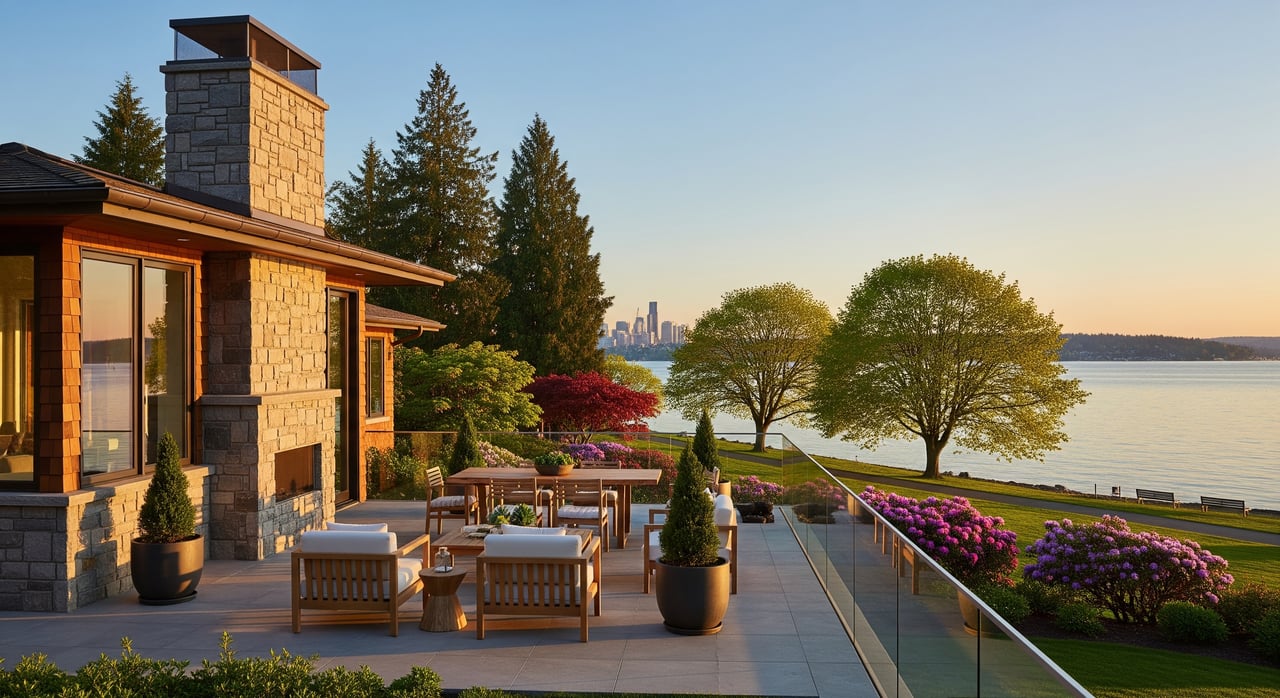
Madrona occupies the eastern edge of central Seattle along Lake Washington. For this guide, consider the area centered on the commercial strip along 34th Avenue and Madrona Drive, with Lake Washington Boulevard hugging the shoreline and Madrona Park as the neighborhood’s waterfront anchor. City, real estate, and community groups draw boundaries a bit differently, so use these landmarks as your reference points and confirm any property-specific details with the City of Seattle resources.
You’ll find a compact, walkable node of independent shops and eateries surrounded by tree-lined residential streets. The topography is notably hilly. Many blocks have steep grades and stairways that shape how you park, how you enter a home, and how you use outdoor space. The hills also create view opportunities, which can influence both lifestyle and pricing.
Madrona’s core housing is early 20th-century single-family homes. You’ll see Craftsman bungalows, Tudors, Colonial Revival, and other period styles. There are also mid-century houses, newer infill builds, small condo buildings and garden apartments, plus a handful of townhomes and mixed-use properties near the commercial area. Lakefront and view-oriented properties are a smaller subset and typically command a premium.
Lot sizes vary across the hill. On the lake-facing slopes, lots are often elongated or stepped to follow the grade. Many homes include terraces, retaining walls, and exterior stairs, and some have daylight basements created by the slope. Backyards can run smaller on steeper streets, so plan how you’ll use outdoor space before you buy.
Madrona is generally a higher-priced Seattle neighborhood due to lakeside access and proximity to downtown. Renovated historic homes, waterfront parcels, and strong view properties tend to attract the most competition. Infill-ready lots can also draw multiple bidders. If you want current numbers such as median sale price or days on market, review recent comparable sales and market reports before you write an offer.
With older homes, plan for mechanical updates and potential seismic or foundation work. On hillside properties, buyer inspections should evaluate drainage patterns and retaining-wall condition. Document view corridors carefully, including any possible obstruction from nearby trees or future redevelopment on adjacent lots.
Madrona Park is the neighborhood’s main public waterfront. It offers beach access, lakeside lawns, and shoreline paths that make it a hub for picnics, dog-walking, and summer swims. Seasonal services and facilities can change year to year. Before peak season, confirm current hours, lifeguard staffing, and restroom availability with Seattle Parks and Recreation.
Madrona’s lakeside setting connects you to a bigger green network. Leschi Park to the south and the Madison Park area to the north provide more shoreline access and scenic routes along Lake Washington Boulevard. Street trees and pockets of urban forest are common in the neighborhood, and many private parcels include mature trees that shape privacy, shade, and views.
Public shoreline access in Madrona is concentrated at park areas. If you need moorage or a boat launch, check options in nearby Madison Park or Leschi and confirm slip availability, parking rules, and permits. Waterfront properties may be subject to shoreline regulations and bulkhead maintenance requirements. Review the City of Seattle Shoreline Master Program and the Department of Construction and Inspections permit records for any property near the water.
From Madrona, you have practical east–west access to both SR 520 and I-90, the main Lake Washington crossings to the Eastside. Off-peak, a downtown commute can be short (often about 10 to 20 minutes), while peak congestion can extend travel times. For a realistic picture, use Washington State Department of Transportation tools to test the routes you would take during your typical commute hours.
King County Metro provides bus service linking Madrona to downtown, Capitol Hill, and adjacent neighborhoods. Route availability and frequency can change, so plan with the King County Metro trip planner before you rely on a specific schedule. Madrona does not have a dedicated Link light rail station in its core; the nearest stations are in surrounding neighborhoods. Confirm the current Sound Transit map for the best access point based on your route.
The commercial area around 34th Avenue and Madrona Drive is walkable for coffee, groceries, and everyday services. The steeper residential blocks reduce casual biking for some residents, though Lake Washington Boulevard provides a scenic ride or run. Near the commercial strip, on-street parking and potential Residential Parking Zones may affect visitors and residents. Check current Seattle Department of Transportation rules for restrictions or permits.
Madrona’s commercial core is neighborhood-scale and curated rather than sprawling. Expect independent restaurants, a bakery, cafes, a small market, and local service businesses such as salons, fitness studios, and boutique retail. For broader grocery and shopping choices, residents often head to nearby Capitol Hill, Madison Valley, and Madison Park. Restaurant lineups evolve quickly, so consult local editorial coverage for the latest openings and roundups when you plan your dining list.
Madrona is served by Seattle Public Schools. Because school boundaries and busing guidelines can change, confirm assignments for any specific address with the district’s boundary lookup tool. The area includes local childcare providers and preschools, with additional options in adjacent neighborhoods. When you tour homes, consider proximity and your preferred drop-off routes at your typical travel times.
If you live on the Eastside today, Madrona offers a different rhythm. You get a lakeside neighborhood with a small, walkable commercial node and quick access to central Seattle. Hills and older housing stock define the streetscape and can require more maintenance planning. In exchange, you gain a village feel, layered views, and shoreline parks that keep you close to the water without a long weekend drive.
If Madrona’s lake views, parks, and village-scale dining fit your life, the next step is seeing how specific streets and lots stack up for your needs. Our team combines neighborhood insight with development-savvy due diligence to help you focus fast, value homes accurately, and move with confidence in a competitive segment. When you are ready to tour, stress test a commute, or evaluate a hillside lot, reach out to the principals at Foundation First Group for a focused plan.
Stay up to date on the latest real estate trends.
Foundation First Group's expertise includes assisting buyers and sellers of all property types, including single-family homes, condominiums, vacant land, and investment properties.