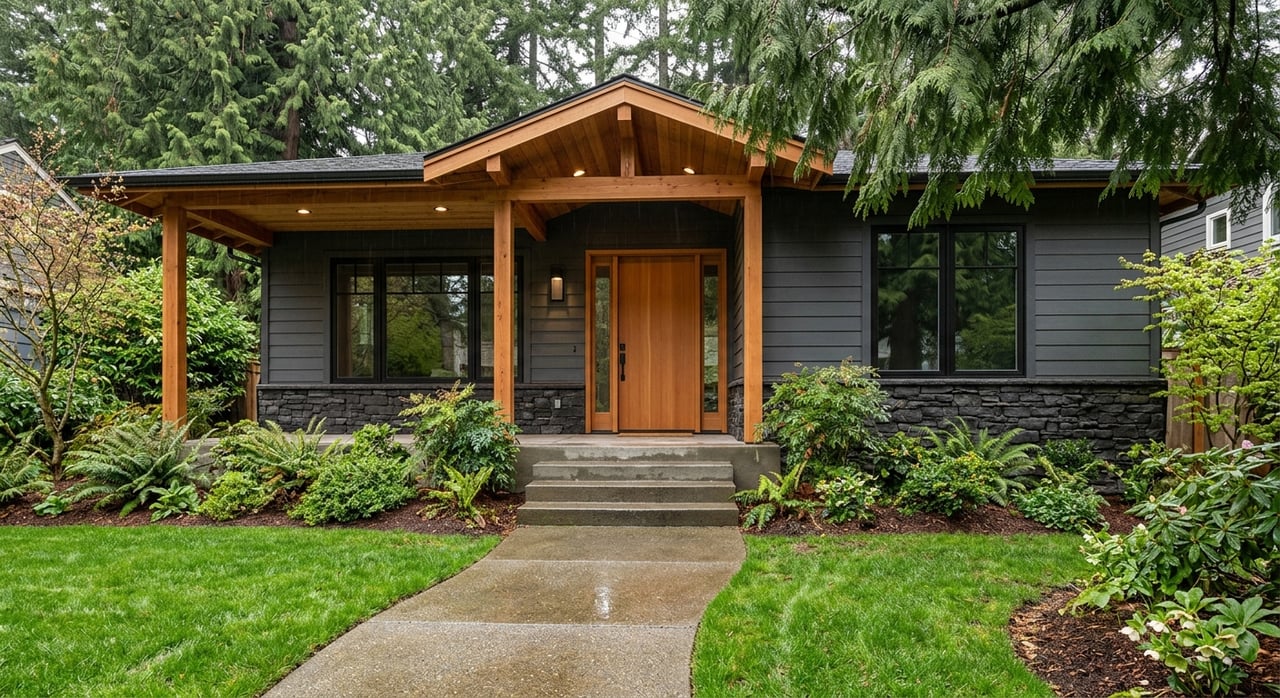
Buying Sammamish Single Family Homes With Confidence
May 21, 2026
May 21, 2026
If you are thinking about buying a single-family home on the Eastside, Sammamish probably shows up quickly on your shortlist. It offers larger detached homes, a neighborhood-focused setting, and a housing stock that often appeals to buyers who want more room to live and work. The tradeoff is that you are usually paying a premium and taking on a longer commute than in some nearby cities. This guide will help you understand what matters most before you start touring homes in Sammamish. Let’s dive in.
Sammamish sits in a distinct position within the Eastside market. In March 2026, the median sale price was $1.614 million, compared with $1.3975 million in Redmond and $1.0 million in Issaquah. That puts Sammamish above both nearby cities on a median-sale-price basis.
At the same time, the median sale price per square foot was $599 in Sammamish, versus $646 in Redmond and $543 in Issaquah. In practical terms, that suggests many buyers in Sammamish are paying for more total space and sometimes more land, rather than the highest price per square foot. That will not apply to every property, but it is a useful citywide pattern to understand.
Sammamish developed from a largely rural area into a suburban city over several decades, with major growth in the 1970s and 1980s, incorporation in 1999, and additional growth through later annexations. For you as a buyer, that often means the resale market includes many homes from the late 1990s and 2000s, along with some older pockets.
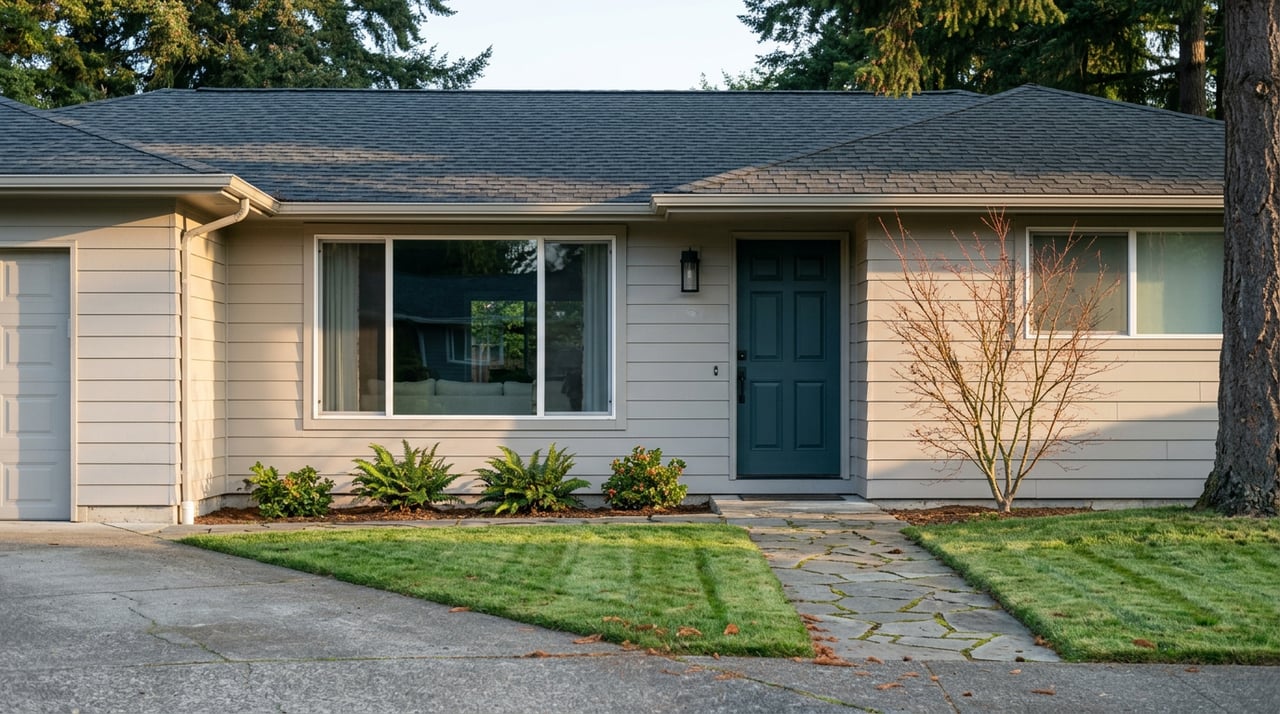
The city describes its neighborhoods as ranging from historic districts to newer areas. In the single-family market, the most common feel is detached, household-sized housing rather than dense urban housing. You will often see homes with four bedrooms, bonus rooms or offices, multiple bathrooms, and garage parking.
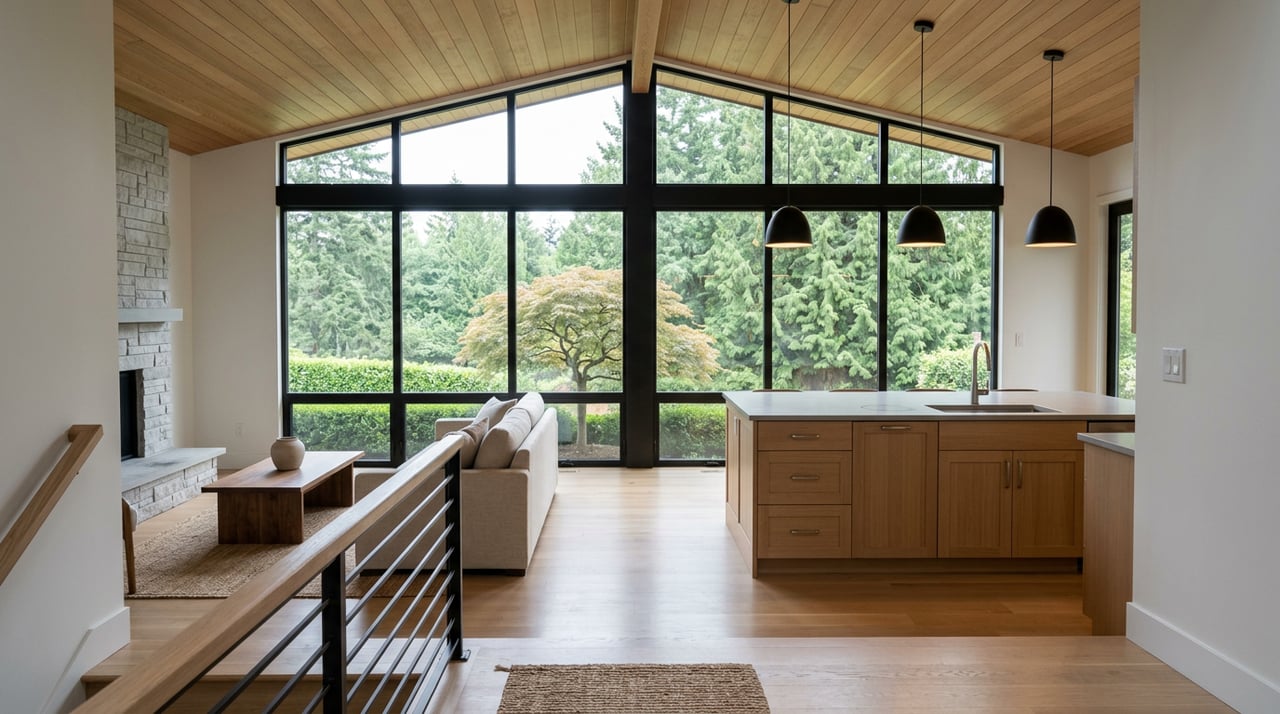
Recent listing examples cited in the research reinforce that pattern. Common layouts include homes around 2,500 to 3,100 square feet with 4 bedrooms and 2.5 baths, as well as larger 5-bedroom homes or 4-bedroom-plus-den layouts with 3-car garages. If you need flexible space for remote work, hobbies, guests, or storage, Sammamish often checks that box.
One of the biggest decisions in Sammamish is not just the house. It is the daily rhythm that comes with it. Census data shows a mean travel time to work of 29.3 minutes in Sammamish, compared with 22.1 minutes in Redmond and 25.3 minutes in Issaquah.
That does not mean every commute will feel long, since your route and schedule matter. Still, the broader pattern is clear: Sammamish tends to trade some commute convenience for a quieter, more residential setting. If your priority is more space and a neighborhood-centered lifestyle, that tradeoff may feel worthwhile.
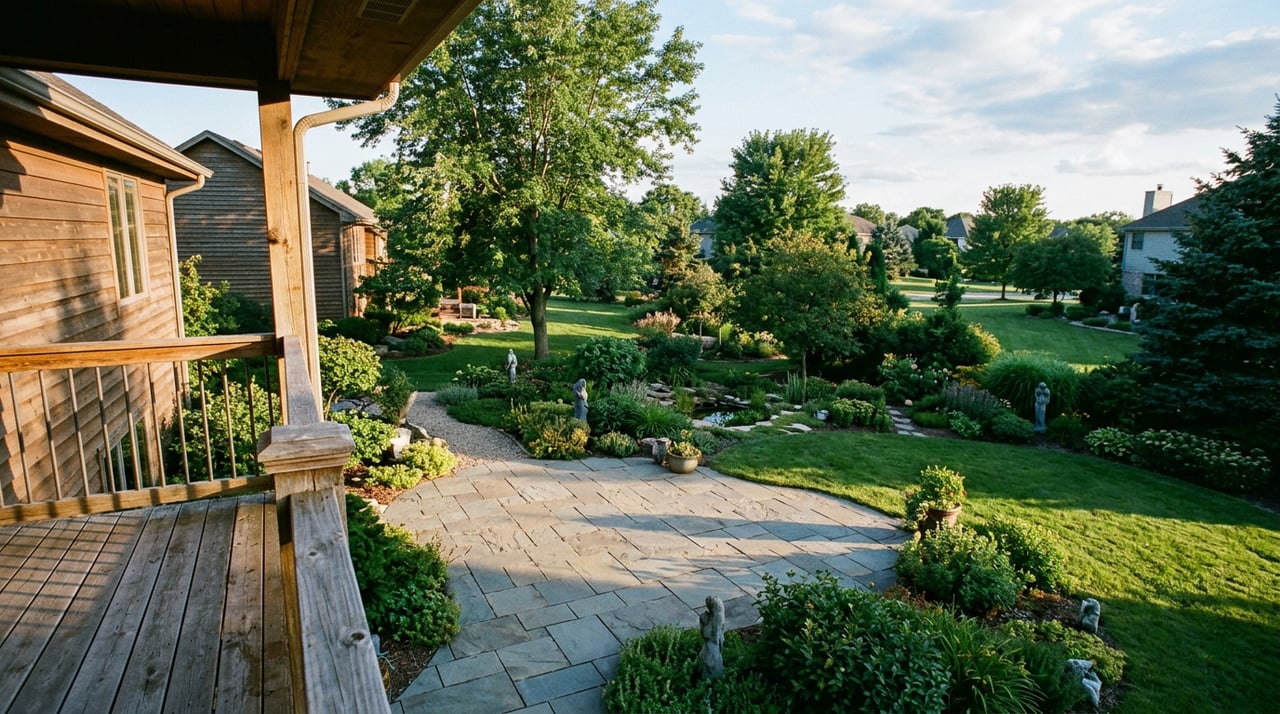
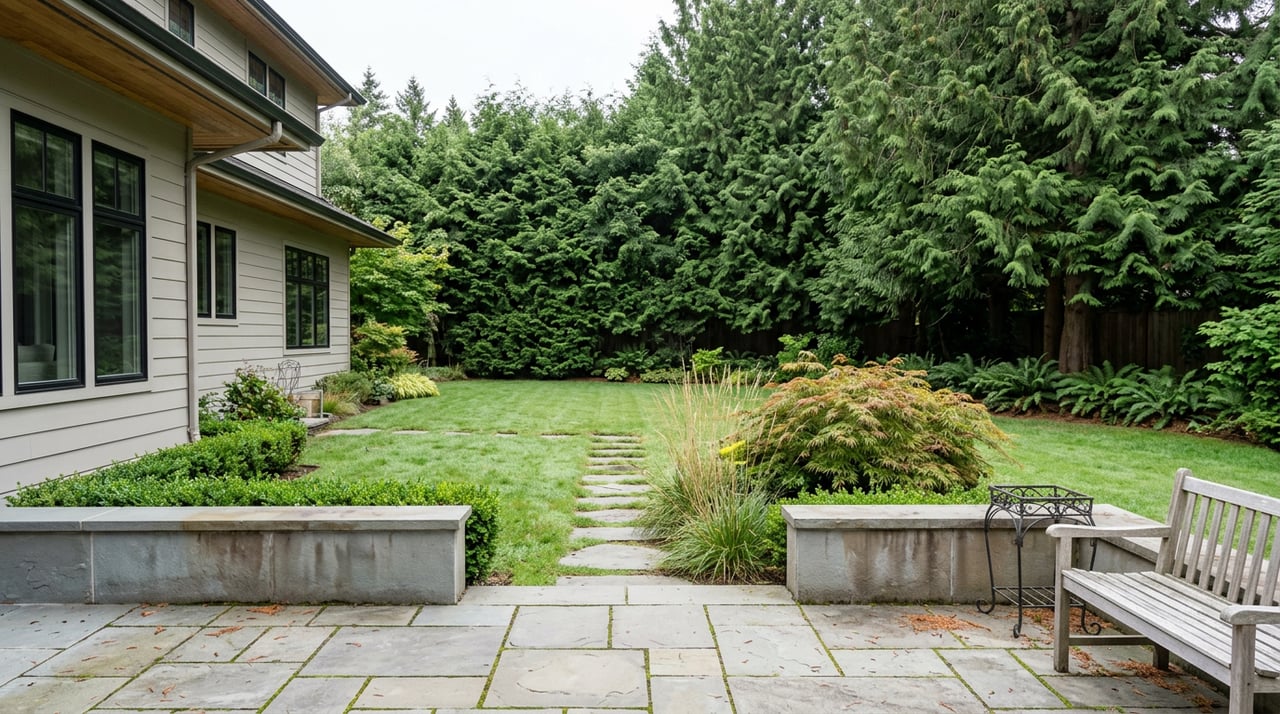
A lot of Sammamish’s appeal comes from how homes are placed within the city. The market often features cul-de-sacs, greenbelts, mature landscaping, and subdivisions built around garage-oriented access instead of dense, walkable urban blocks. That creates a different living experience than you might find in more central Eastside locations.
This matters when you tour homes because the setting can shape value as much as the floor plan. A home backing to green space, sitting on a quieter street, or offering more separation from neighbors may command stronger interest. In a competitive market, details like lot placement and neighborhood layout can matter almost as much as square footage.
If school assignment is part of your home search, Sammamish requires extra attention. The city is split between two districts: Lake Washington School District and Issaquah School District. Which one applies depends on the specific address, not just the city name.
That is why broad assumptions can create problems. For example, Creekside Elementary is an Issaquah School District school located in Sammamish, while Rachel Carson Elementary is a Lake Washington School District school in Sammamish with a feeder pattern of Inglewood Middle to Eastlake High. Two homes in the same city can have very different district assignments.
Before you finalize an offer strategy, verify the attendance area using the official district tools. In Sammamish, parcel-level boundary verification matters more than school-name generalizations. It is one of the simplest ways to avoid surprises during the buying process.
In Sammamish, buying a detached home does not always mean total freedom from neighborhood rules. Many single-family homes are located in HOA or deed-restricted communities, and Washington law gives homeowners associations meaningful authority over rules, assessments, budgets, reserves, and governing documents.
That means HOA review should be a core part of your due diligence. You will want to understand monthly dues, reserve strength, architectural controls, landscaping standards, parking rules, rental limits, and whether any special assessments are pending. These details can affect both your monthly costs and your long-term flexibility.
For many buyers, HOA status feels like a secondary item at first. In reality, it can shape how you use the property and what it costs to own. In a market like Sammamish, it is smart to review those documents carefully before waiving contingencies.
If you are deciding among Eastside cities, Sammamish has a fairly clear profile. It generally sits at a higher median sale price than Redmond and Issaquah, offers a more space-oriented single-family experience, and tends to come with a longer average commute than Redmond and a slightly longer one than Issaquah.
That makes Sammamish a strong fit if you are prioritizing a larger detached home, a neighborhood-focused setting, and address-specific planning around district boundaries and HOA terms. If your priority is shorter travel times or a more central location, you may weigh nearby options differently. The right answer depends on how you balance space, budget, and daily convenience.
As you narrow your search, a few questions can help you compare homes more effectively:
These questions can help you move beyond surface-level impressions. In Sammamish, the best buying decisions usually come from matching the home, the lot, and the neighborhood structure to how you actually live.
Because Sammamish homes often attract buyers looking for space, layout flexibility, and long-term livability, it helps to approach the search with a clear plan. That means defining your must-haves early, confirming district and HOA details before key deadlines, and comparing value based on both house size and setting.
This is also a market where negotiation strategy matters. When homes check the right boxes, buyer interest can move quickly. Having experienced guidance can help you evaluate tradeoffs, move with confidence, and avoid overpaying for features that may not matter as much in the long run.
If you want a practical, local read on which Sammamish homes offer the best fit and value, the team at Foundation First Group can help you build a smart buying strategy.
Stay up to date on the latest real estate trends.
Foundation First Group's expertise includes assisting buyers and sellers of all property types, including single-family homes, condominiums, vacant land, and investment properties.